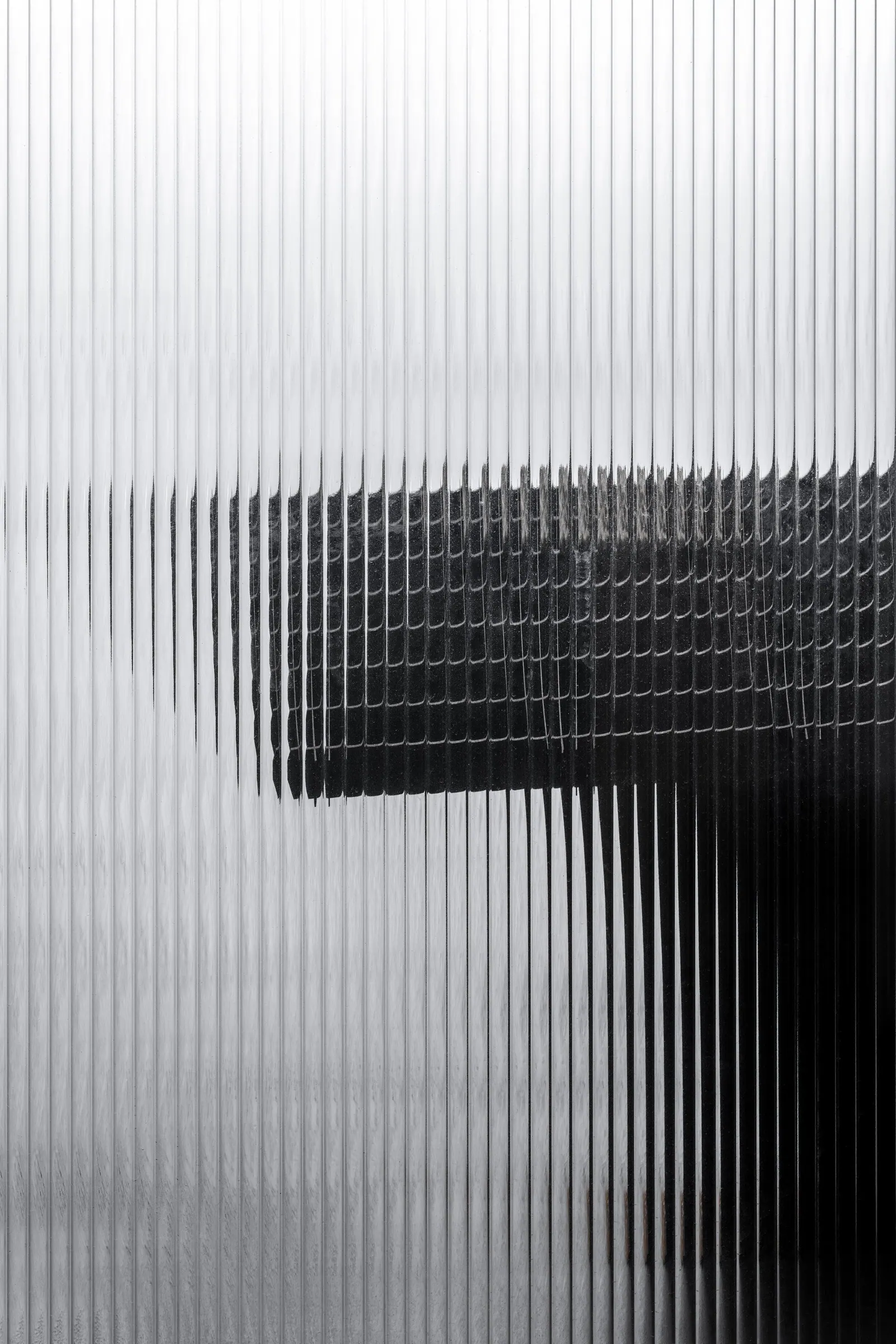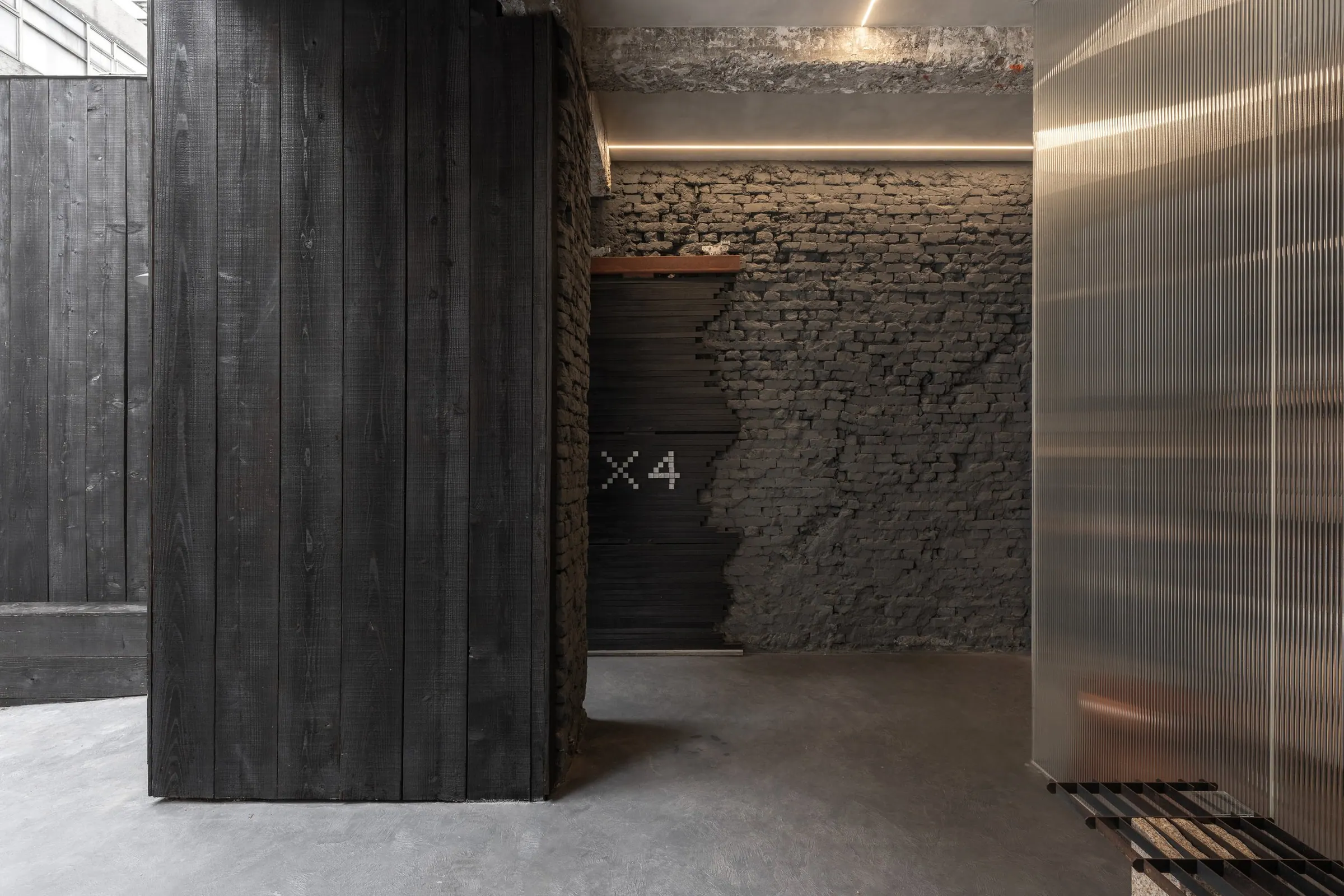
StudioX4’s new office marks our fourth home, occupying a modest 1968 brick building tucked within an alley of Taipei Dome commercial district. Decades of renovations and informal additions had gradually obscured the building’s original character, and redevelopment under the hazardous-building renewal program initially seemed inevitable. The 403 earthquake changed that assumption: Is demolition and rebuilding the only path for urban renewal? Could there be a gentler way to extend the life of an old building?
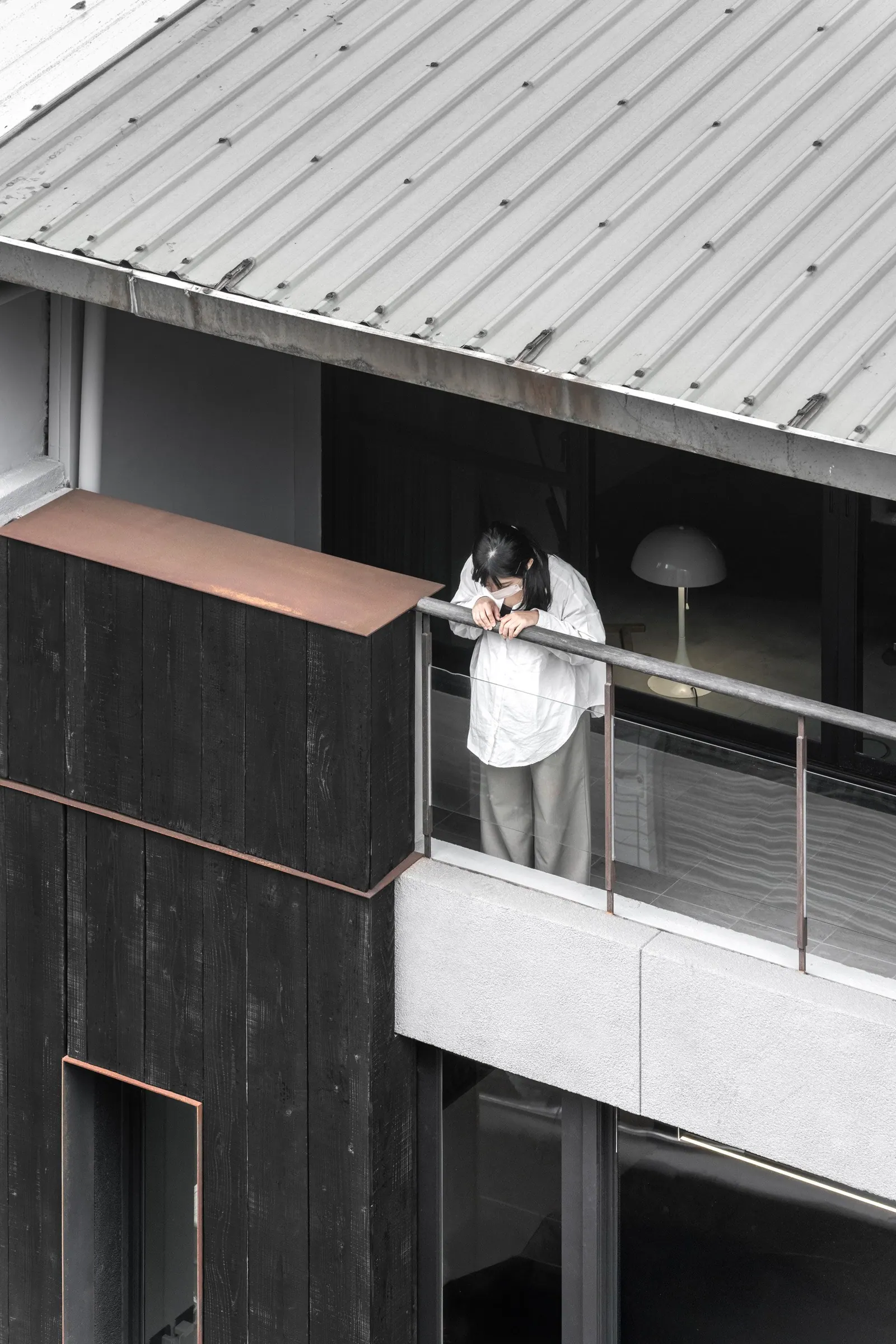
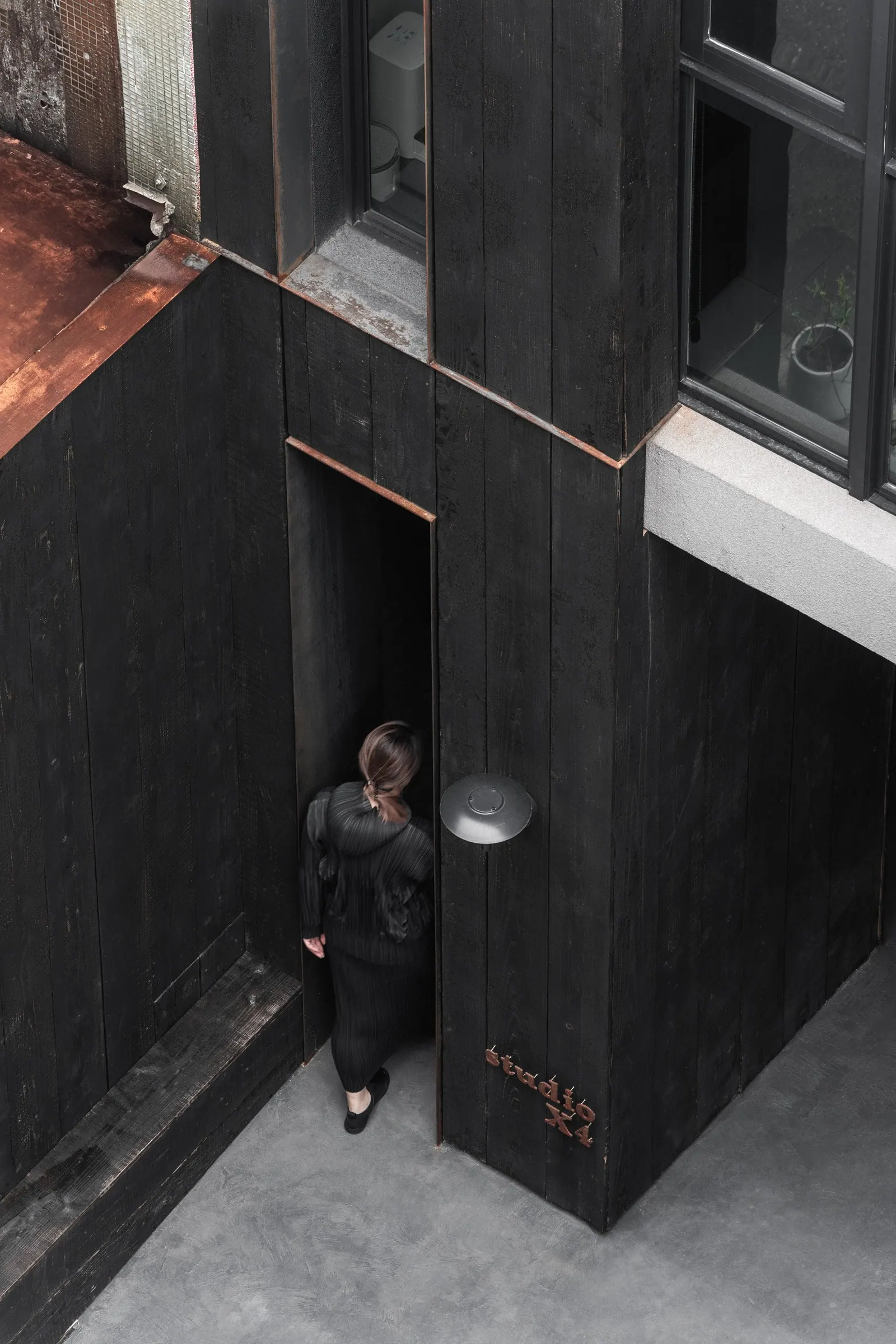
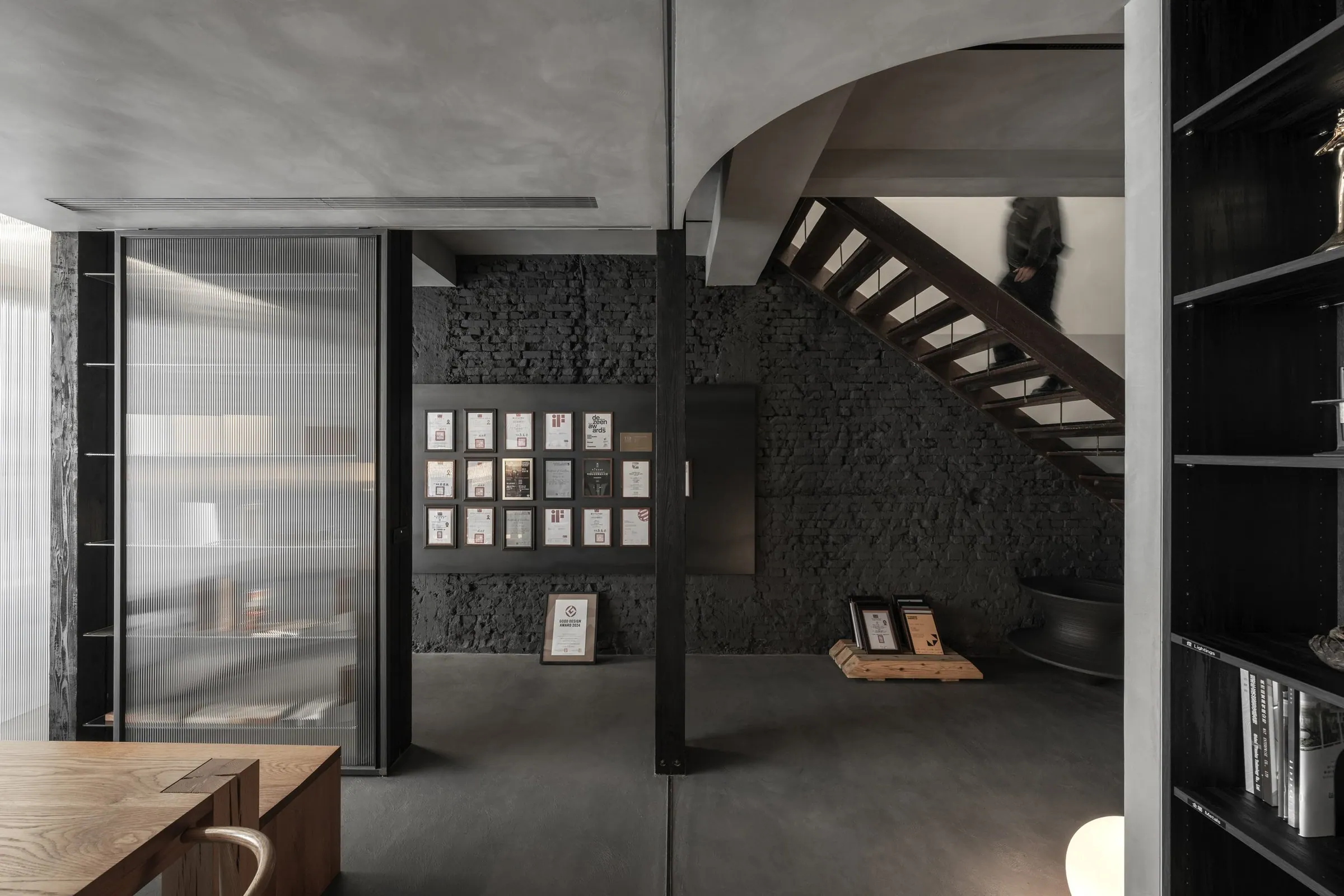
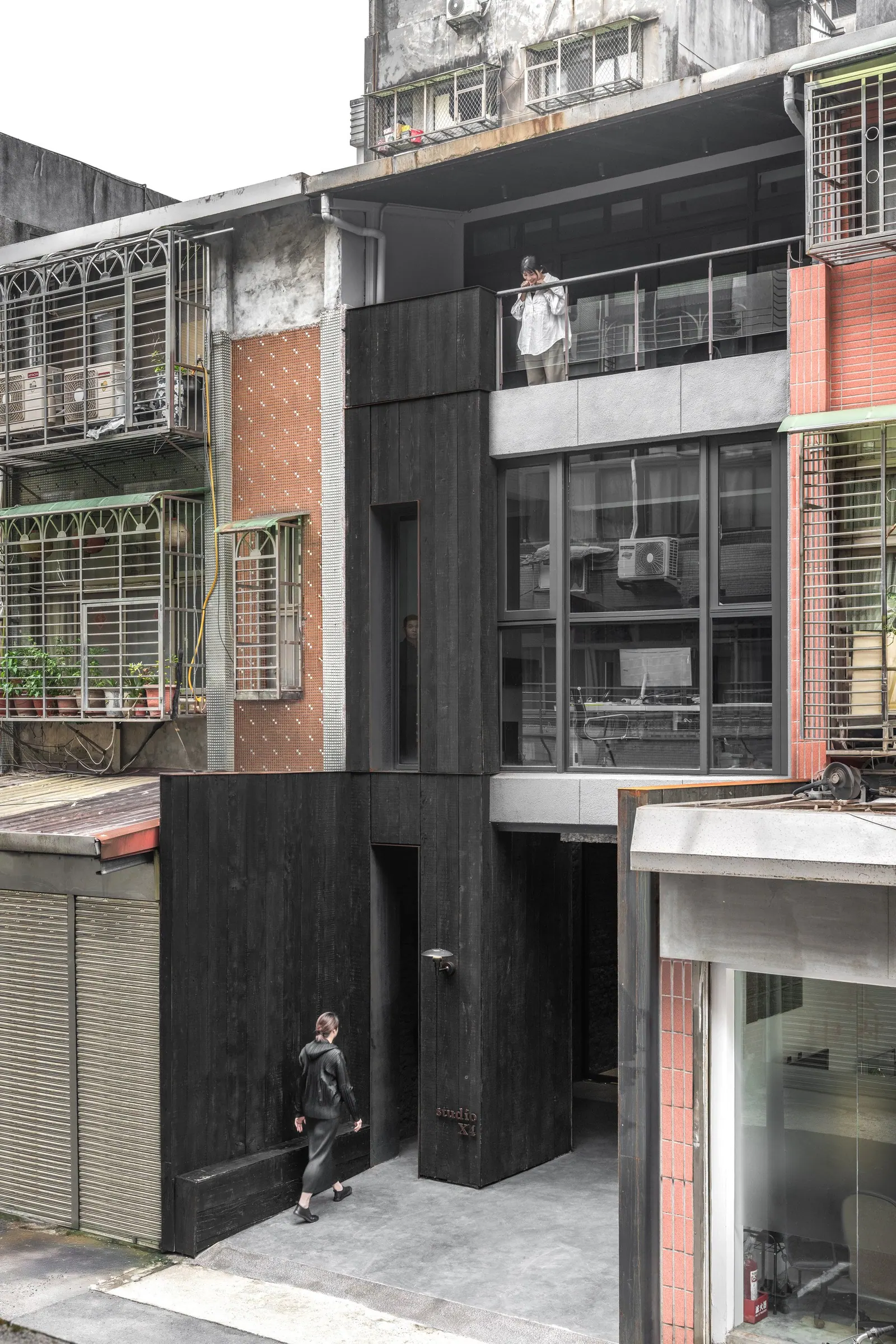
In response, we chose preservation over demolition, opting for architectural regeneration through subtraction and reinterpretation. By removing illegal additions, reopening the front courtyard, and reworking the building’s façade, we allowed it to reconnect with the street. Light and wind now flow freely through the open space, and the building once again breathes with the rhythm of daily life.
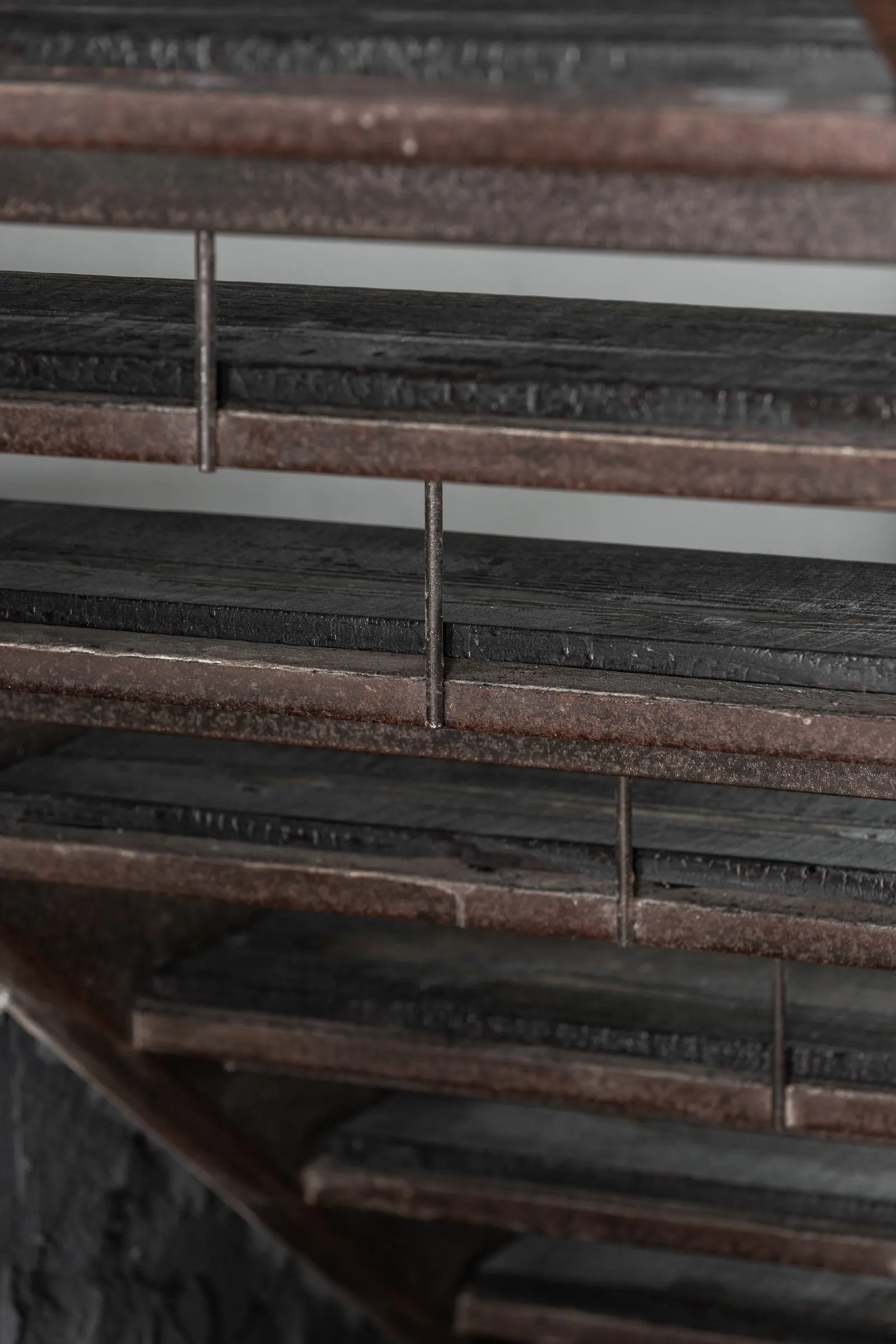
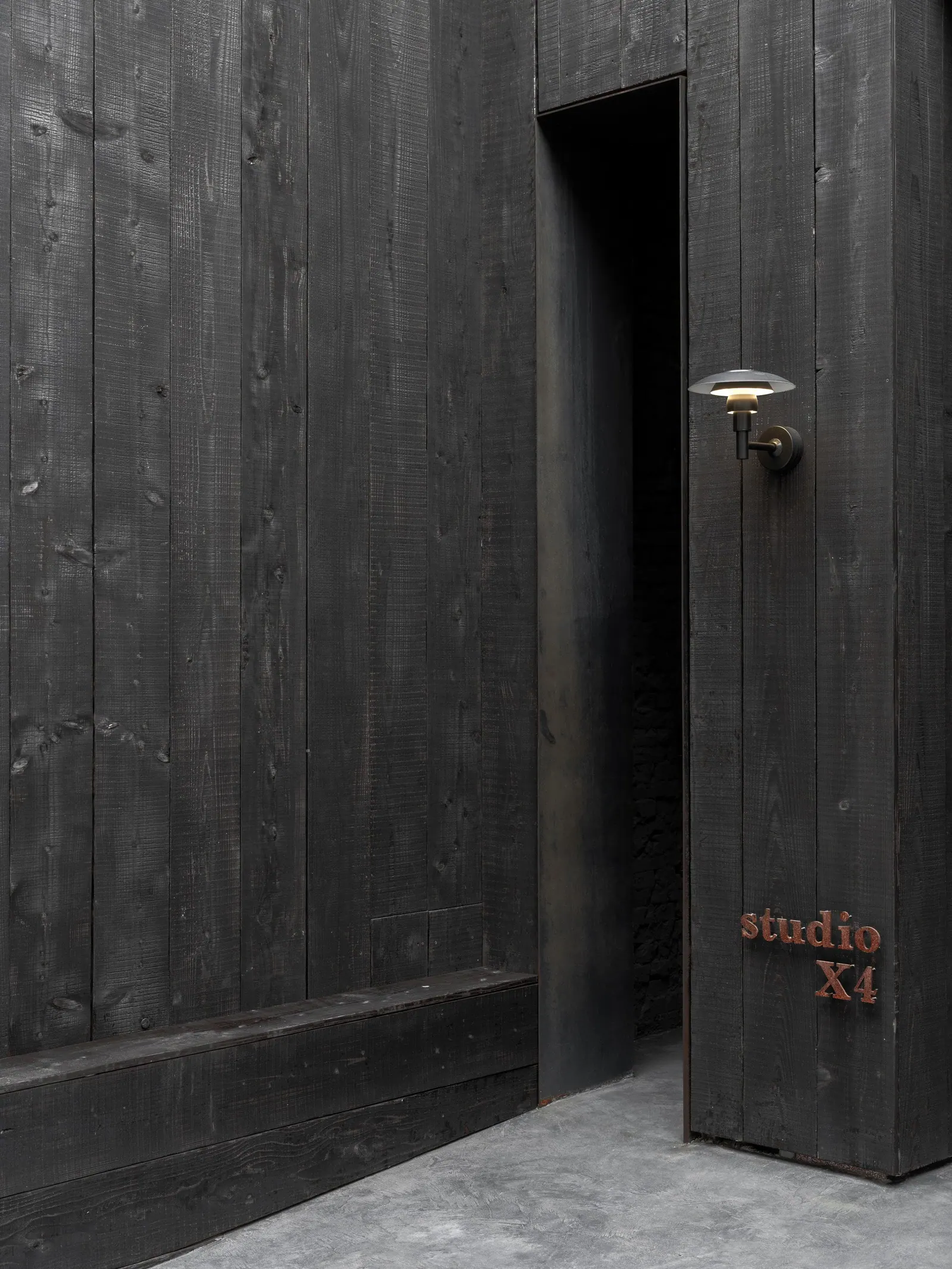
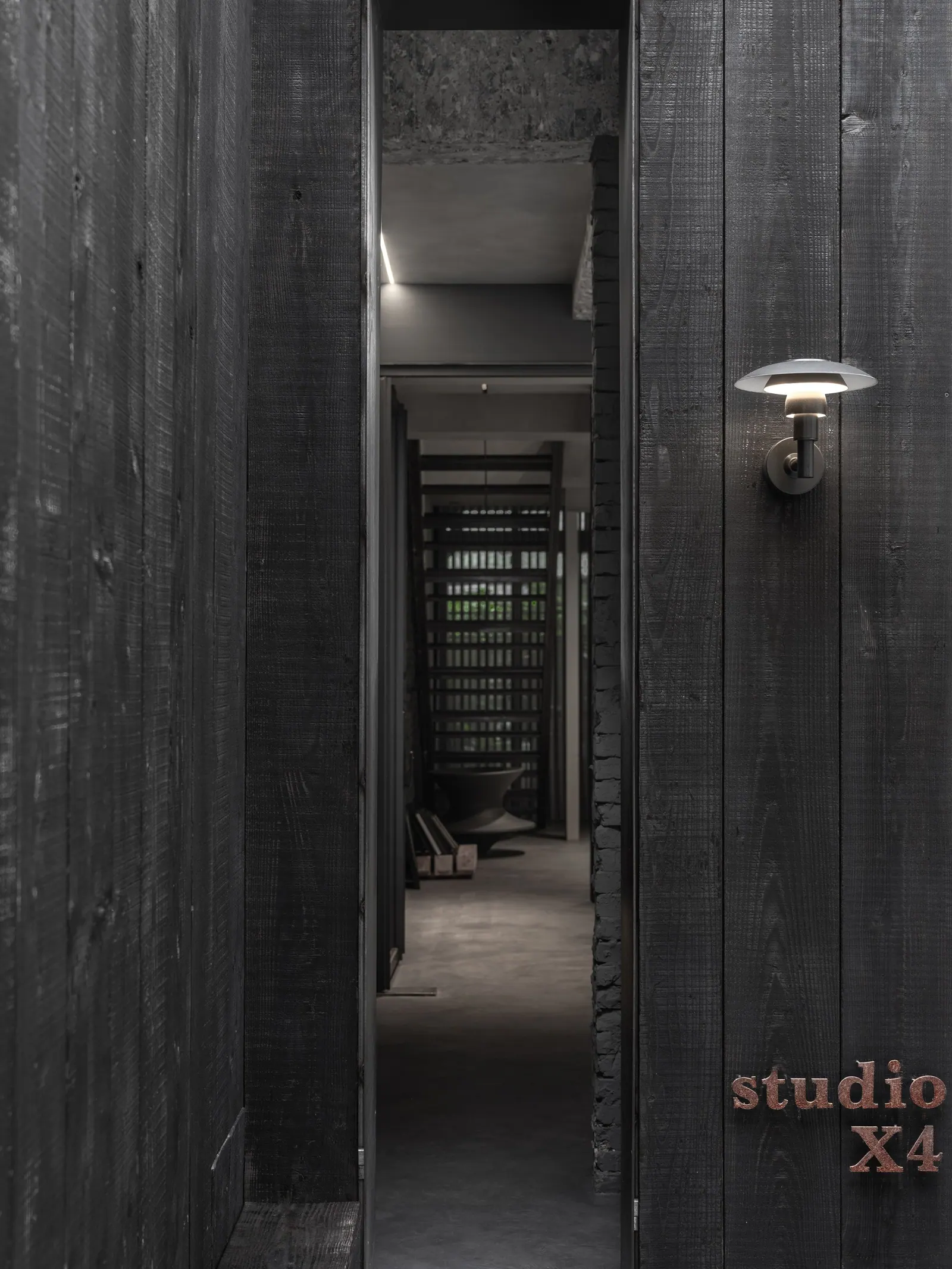
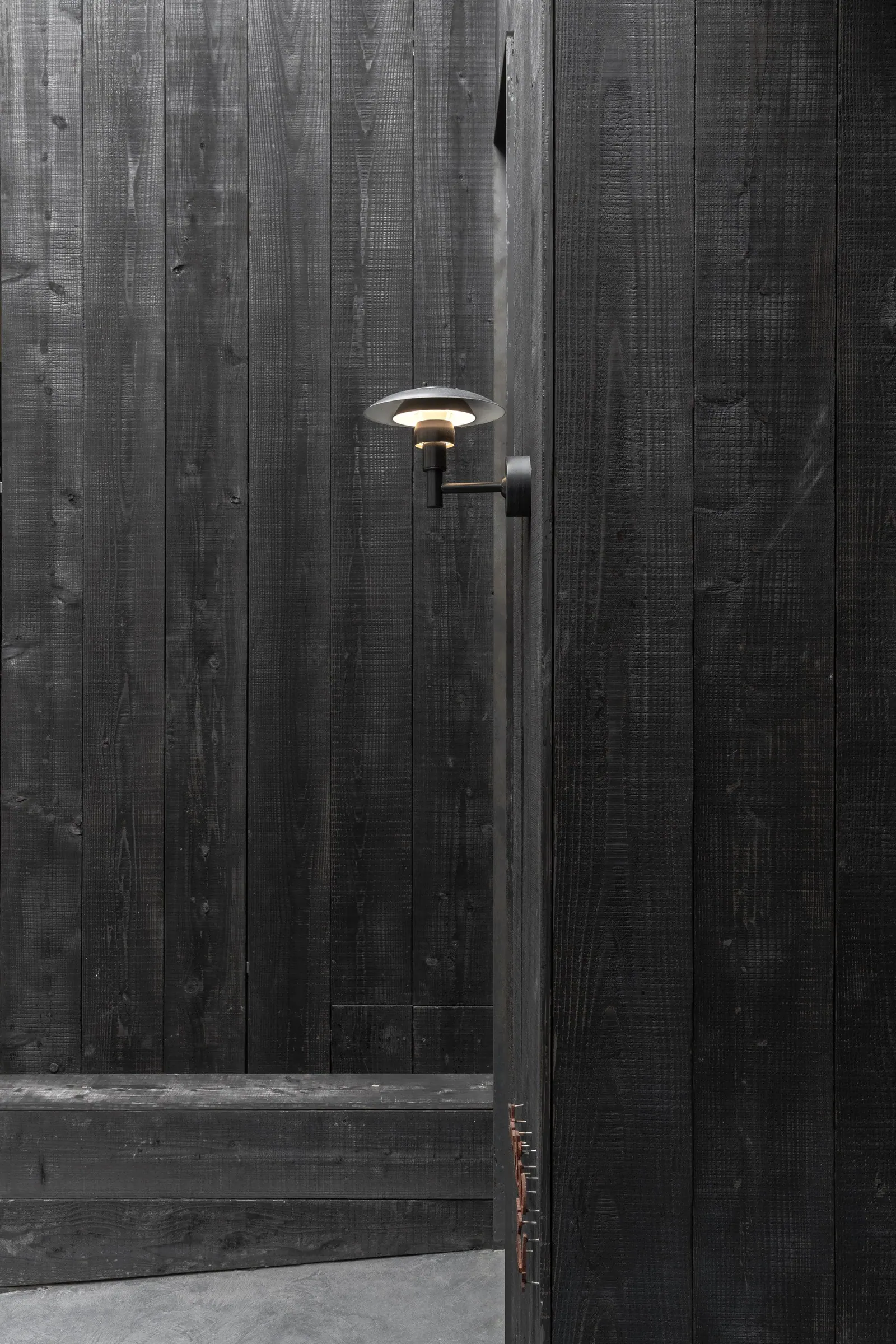
The façade draws inspiration from the rain-screen wooden architecture common in early Taiwanese buildings, reinterpreted using locally sourced Japanese cedar treated with the shou sugi ban (charred wood) technique. This material choice not only honors local craftsmanship but also avoids the environmental burden of asphalt-based products. The low-saturation, minimalist aesthetic allows the building to quietly integrate into the existing streetscape.
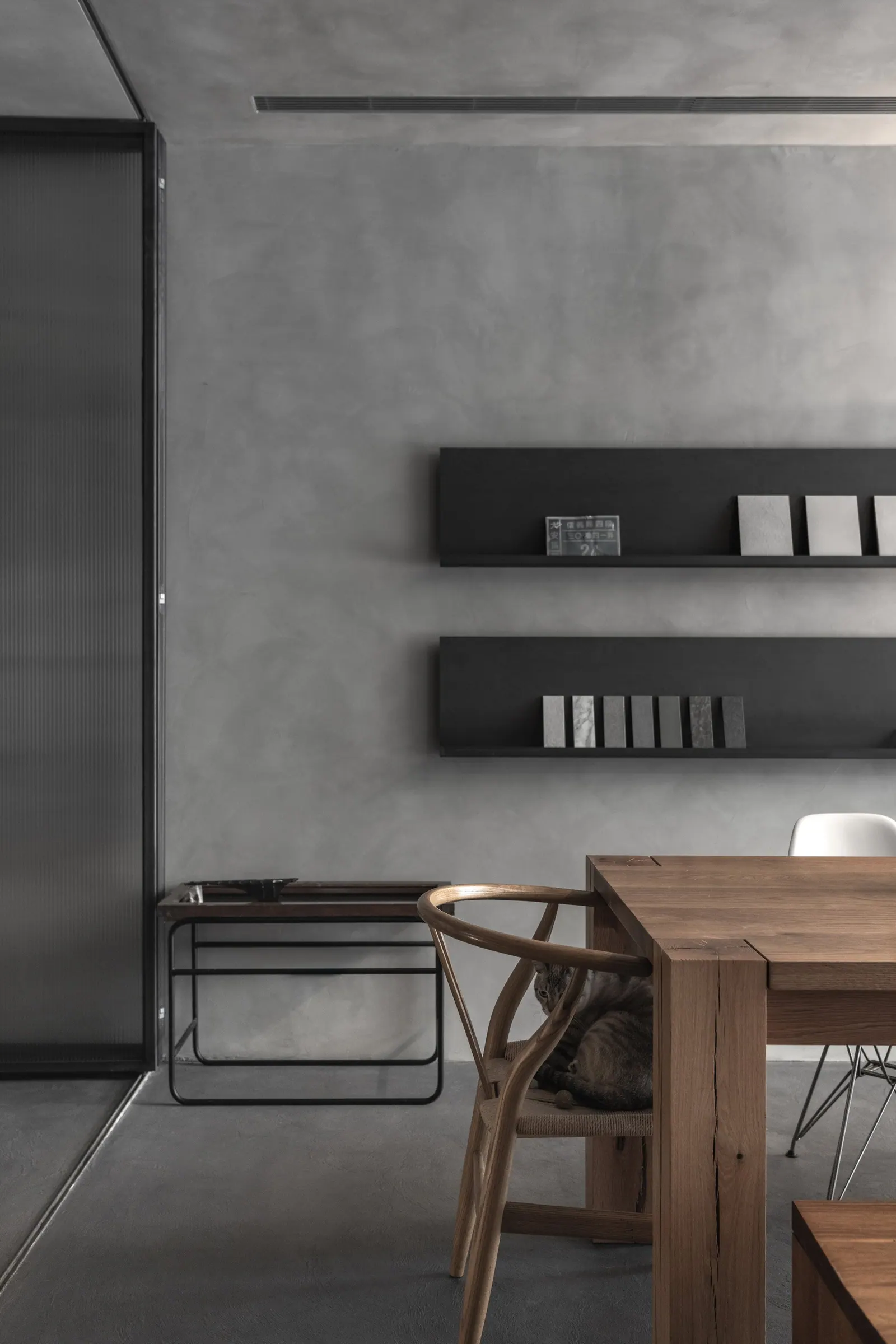
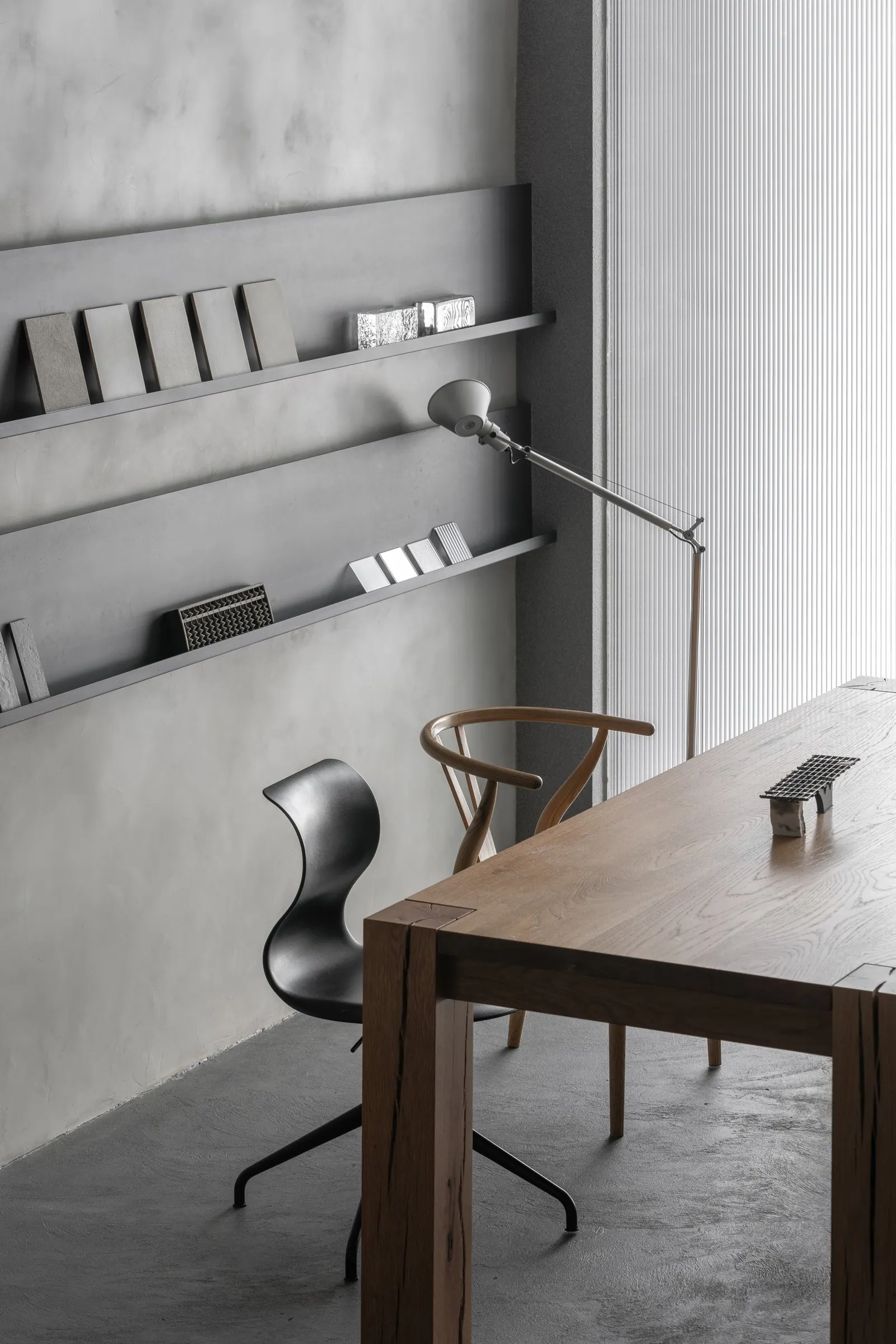
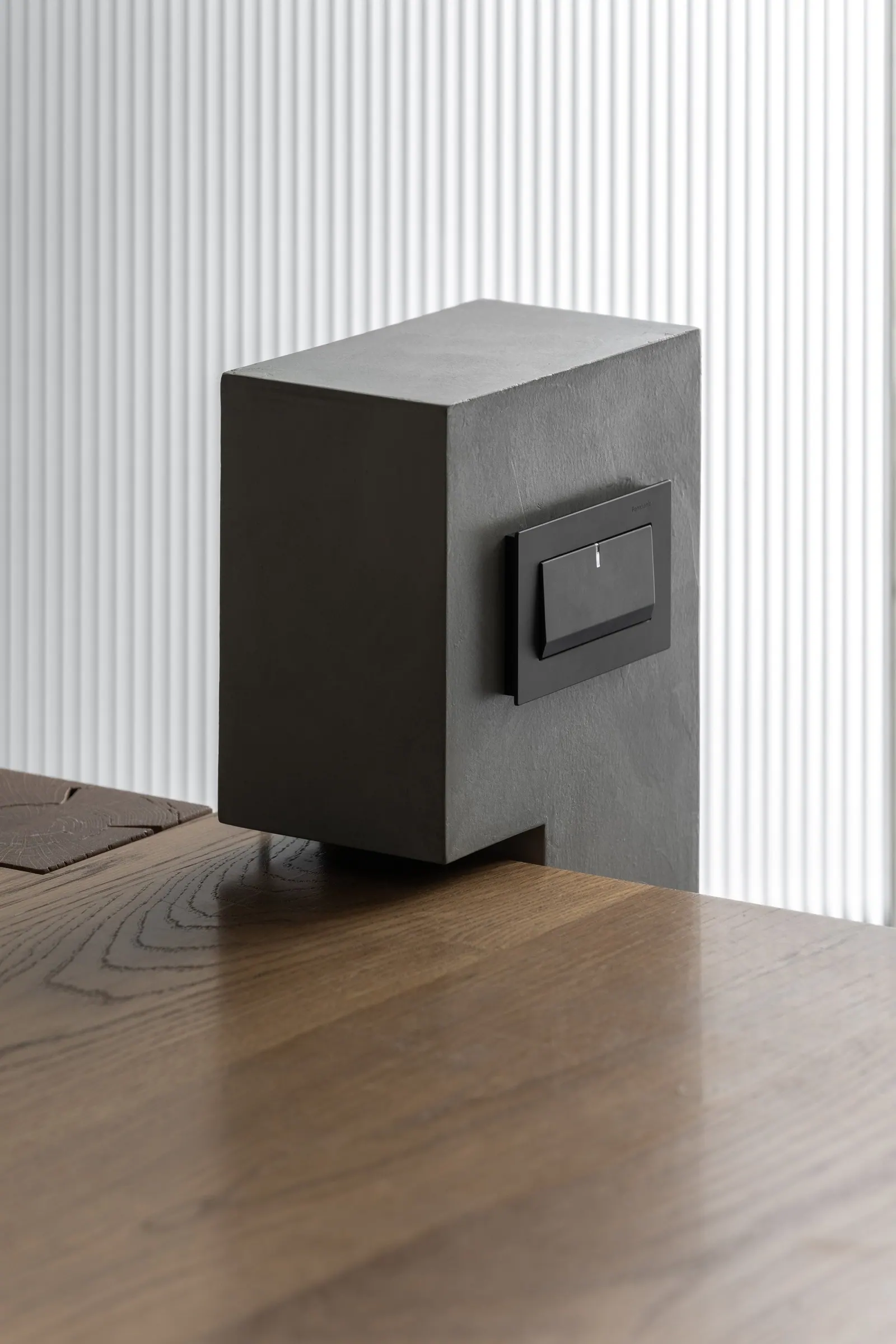
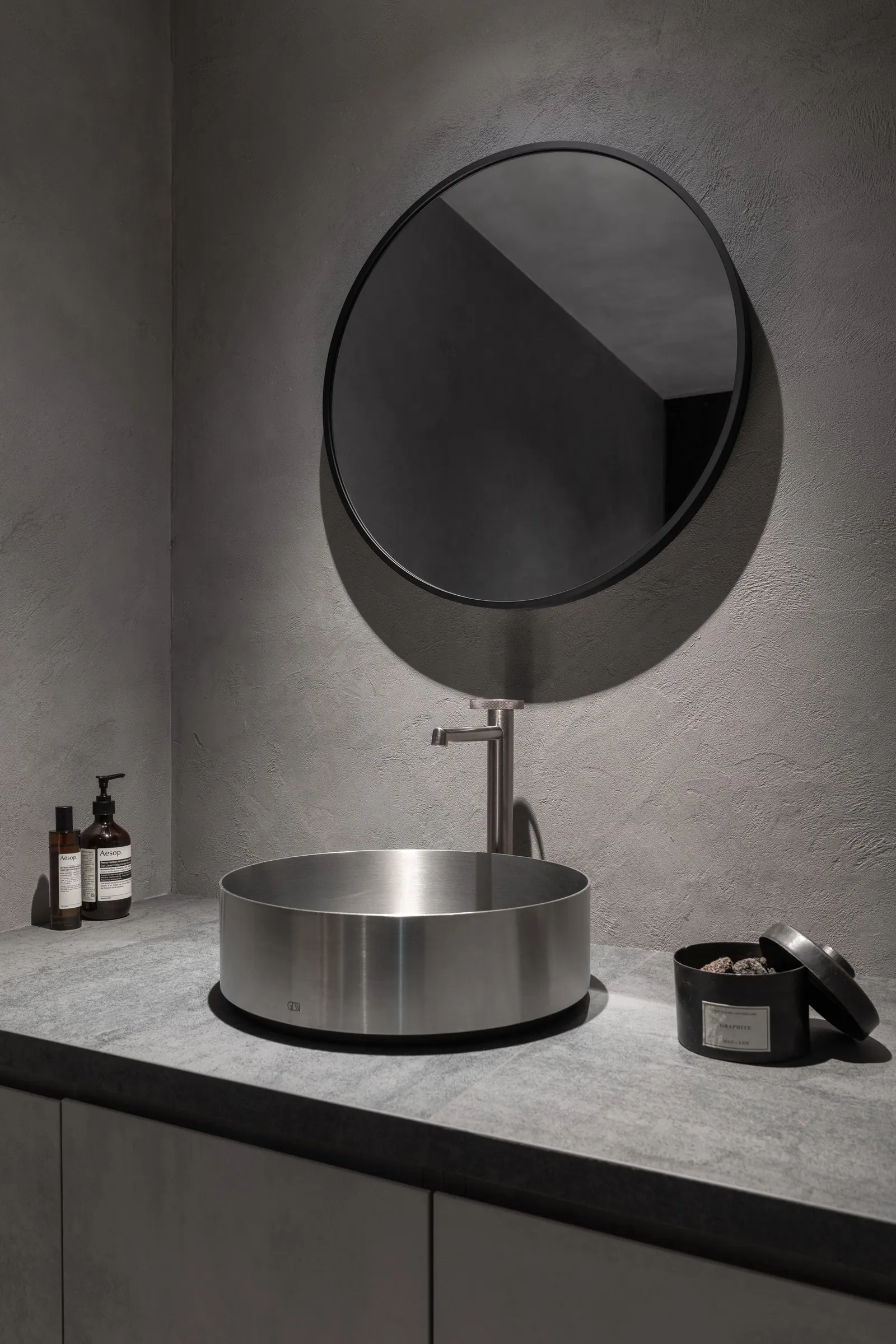
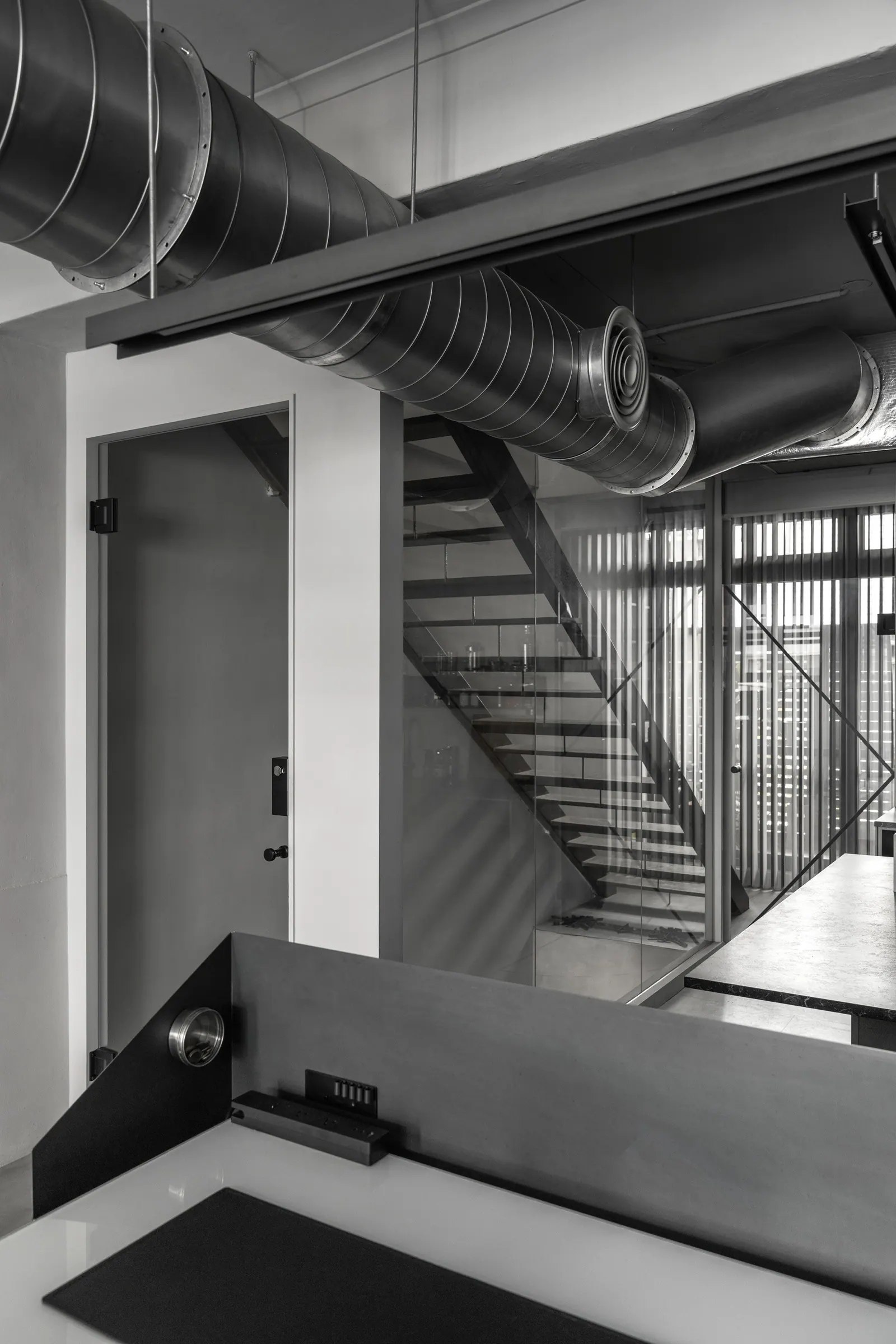
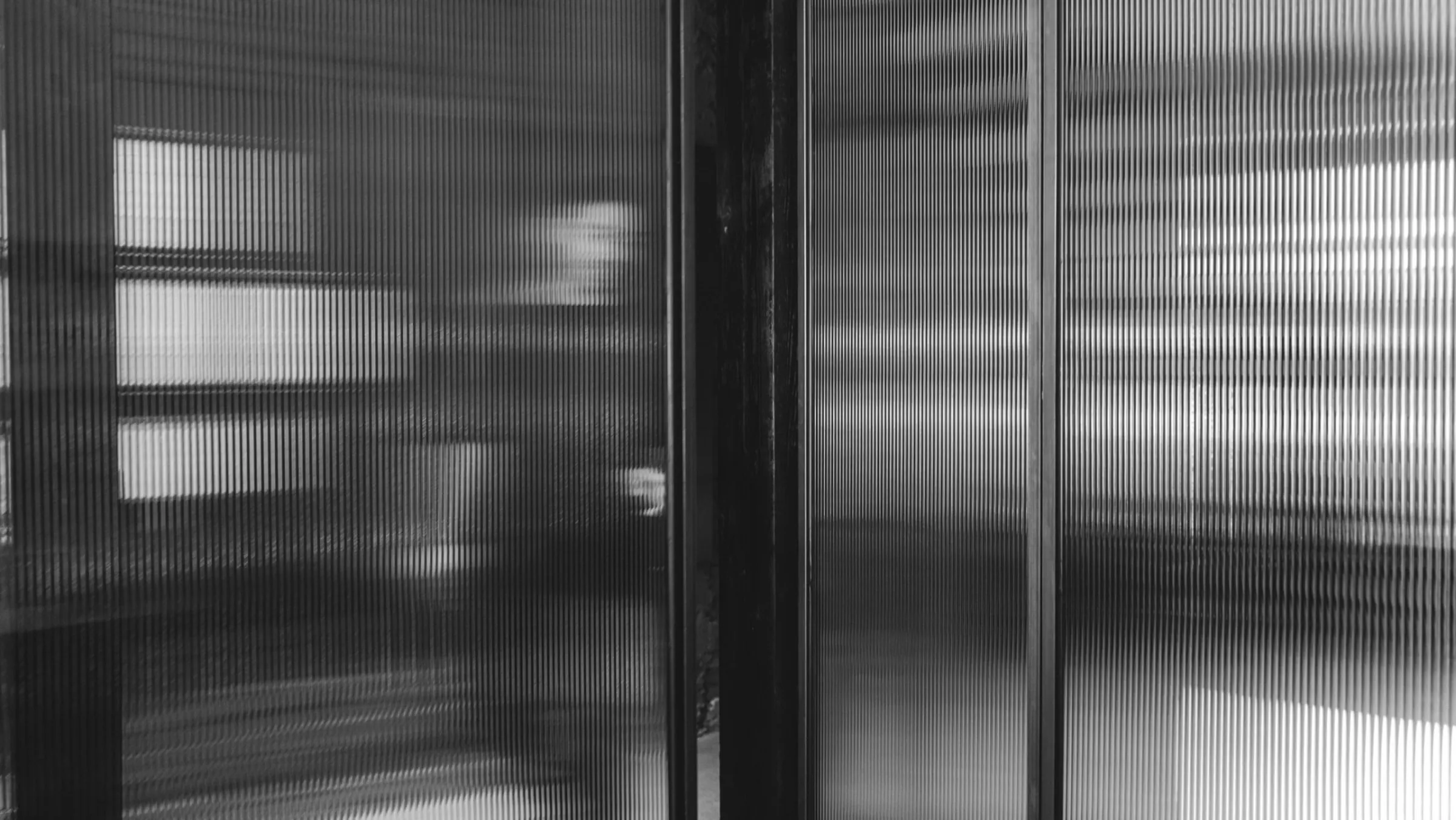
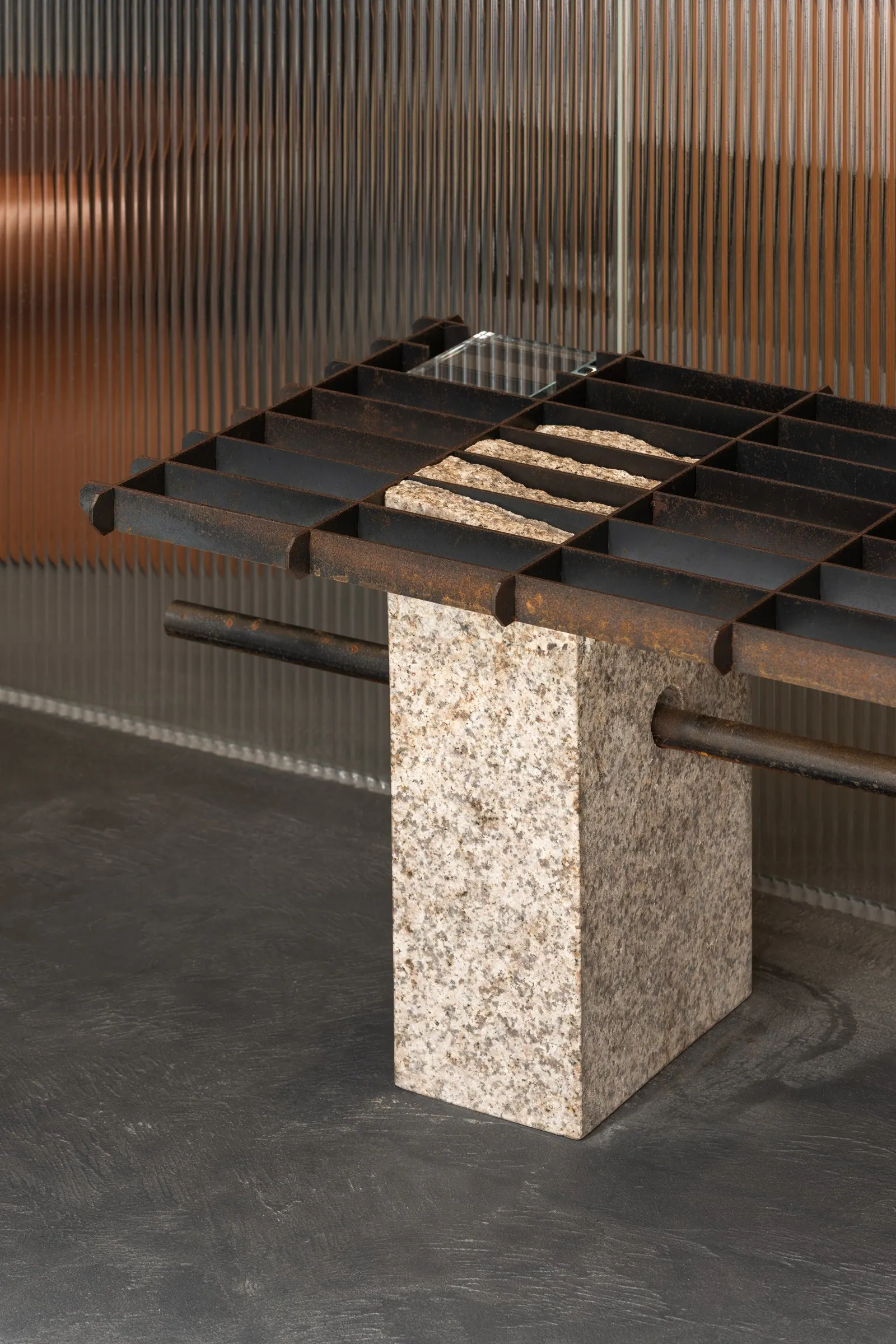
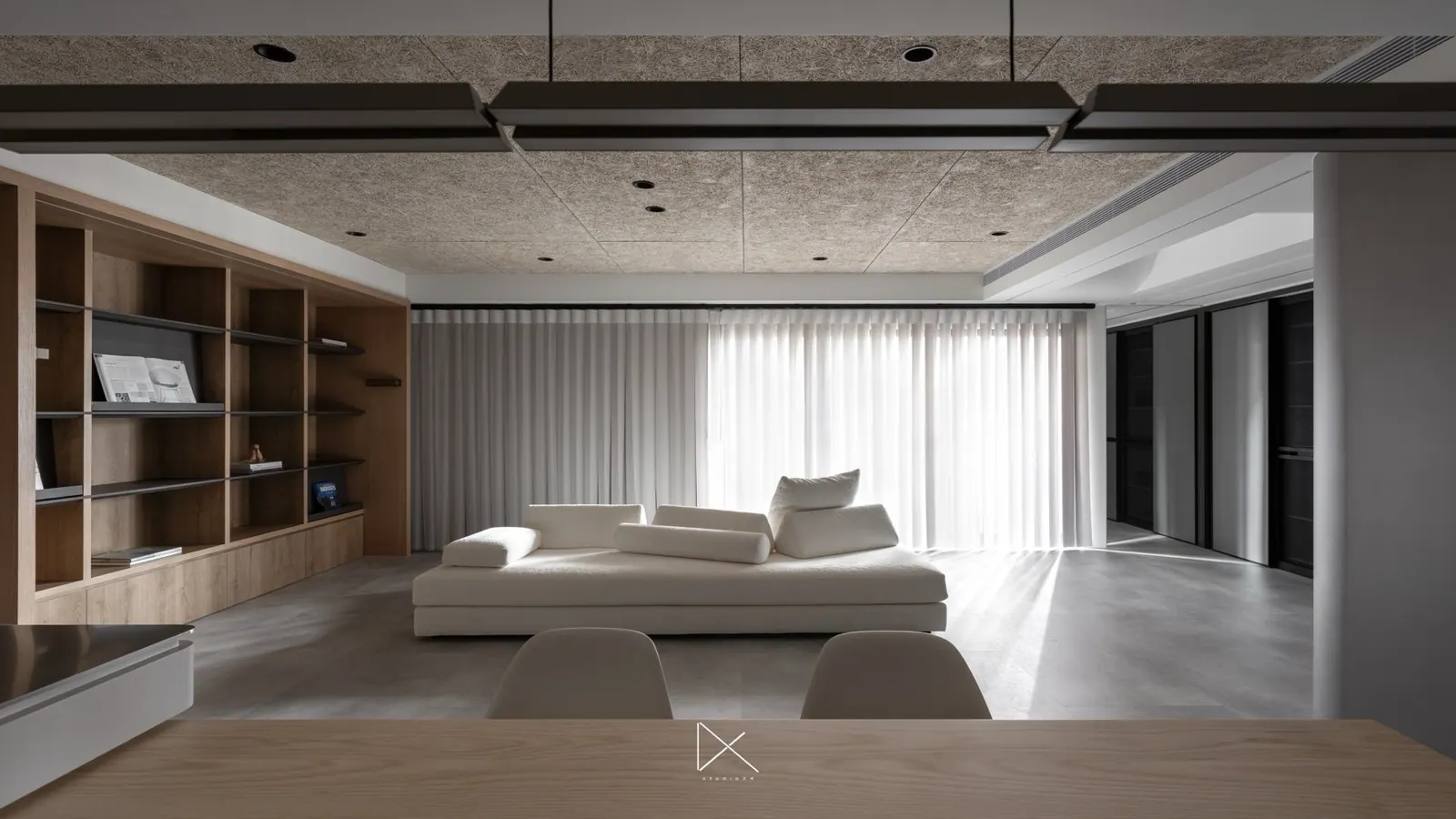
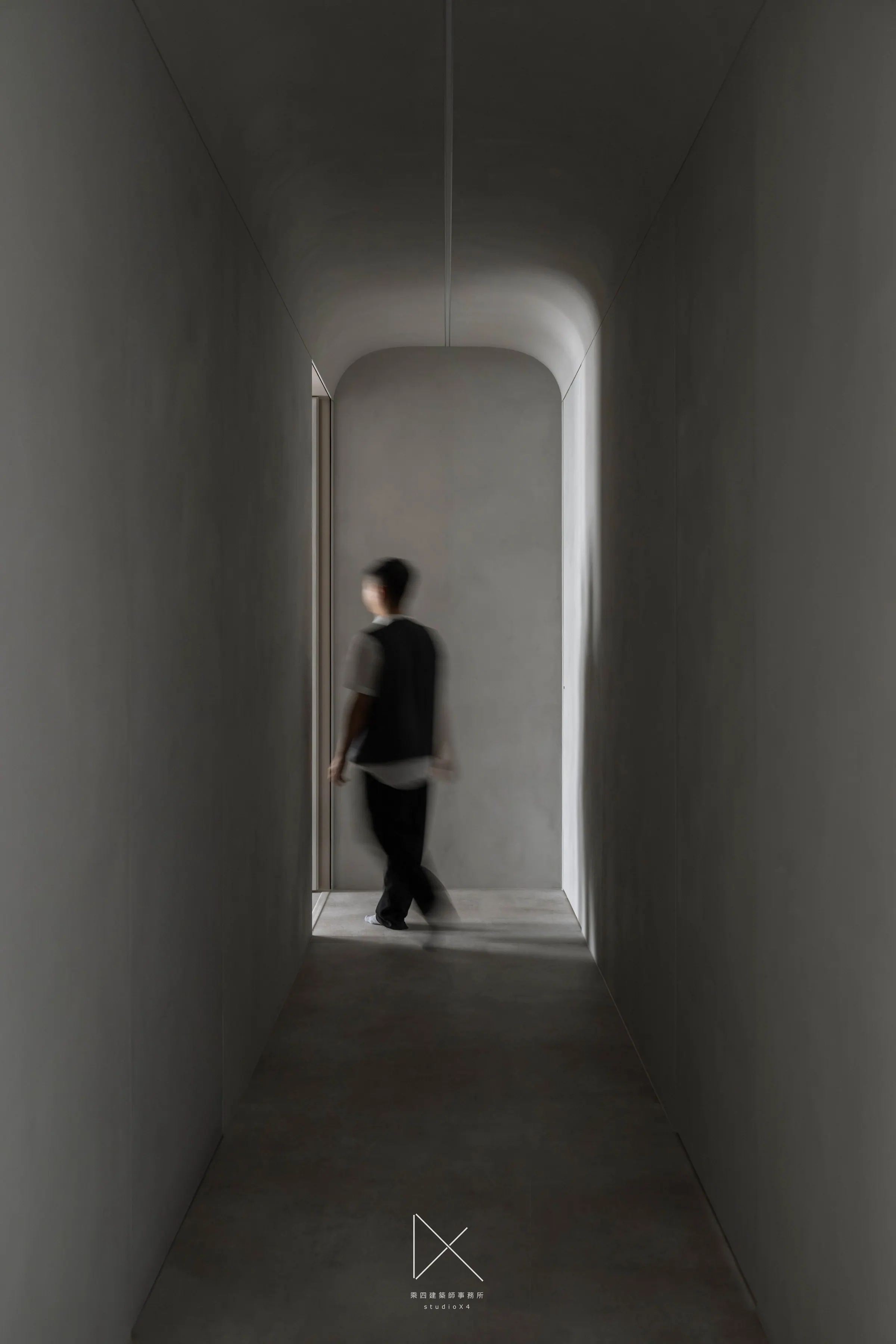
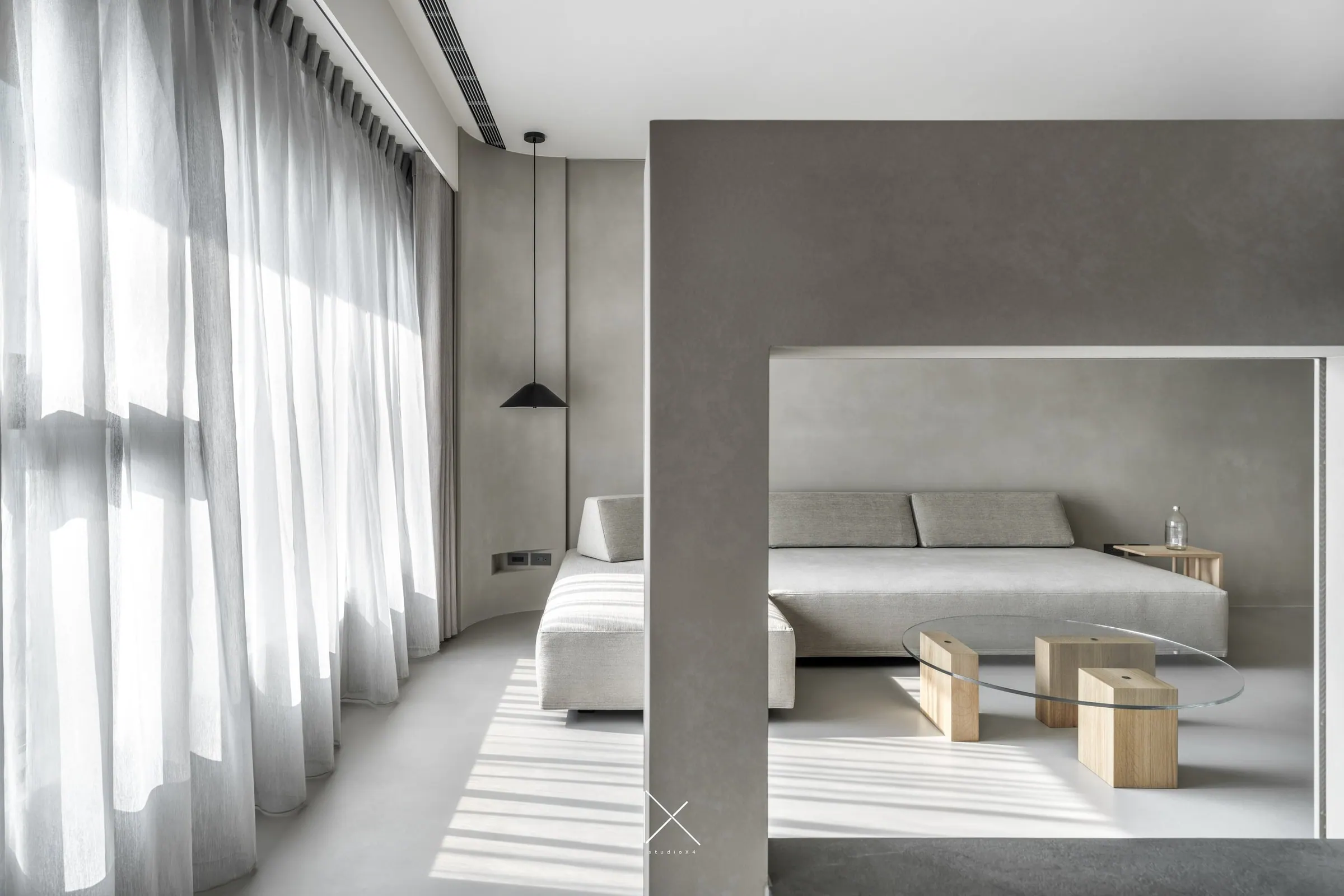
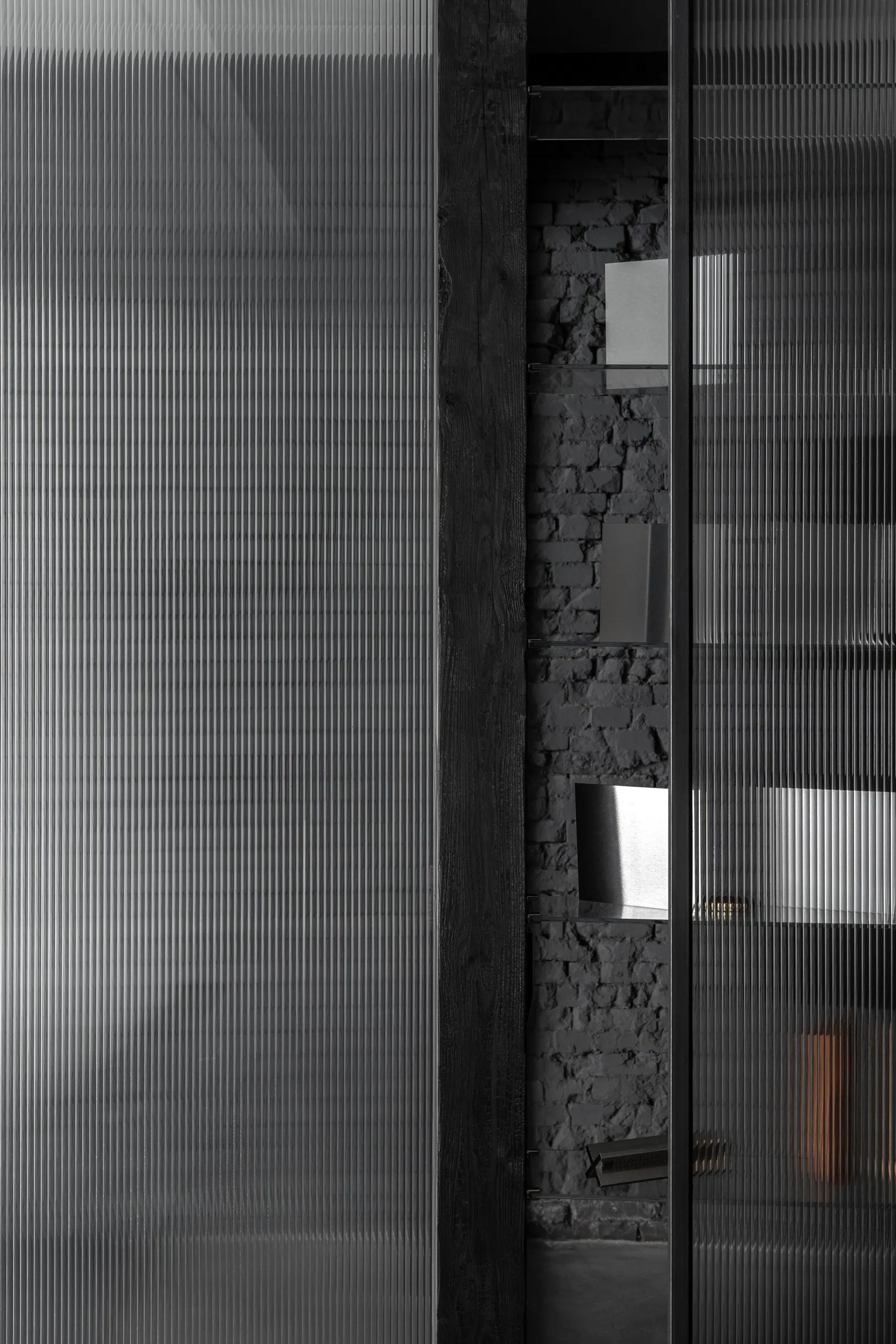
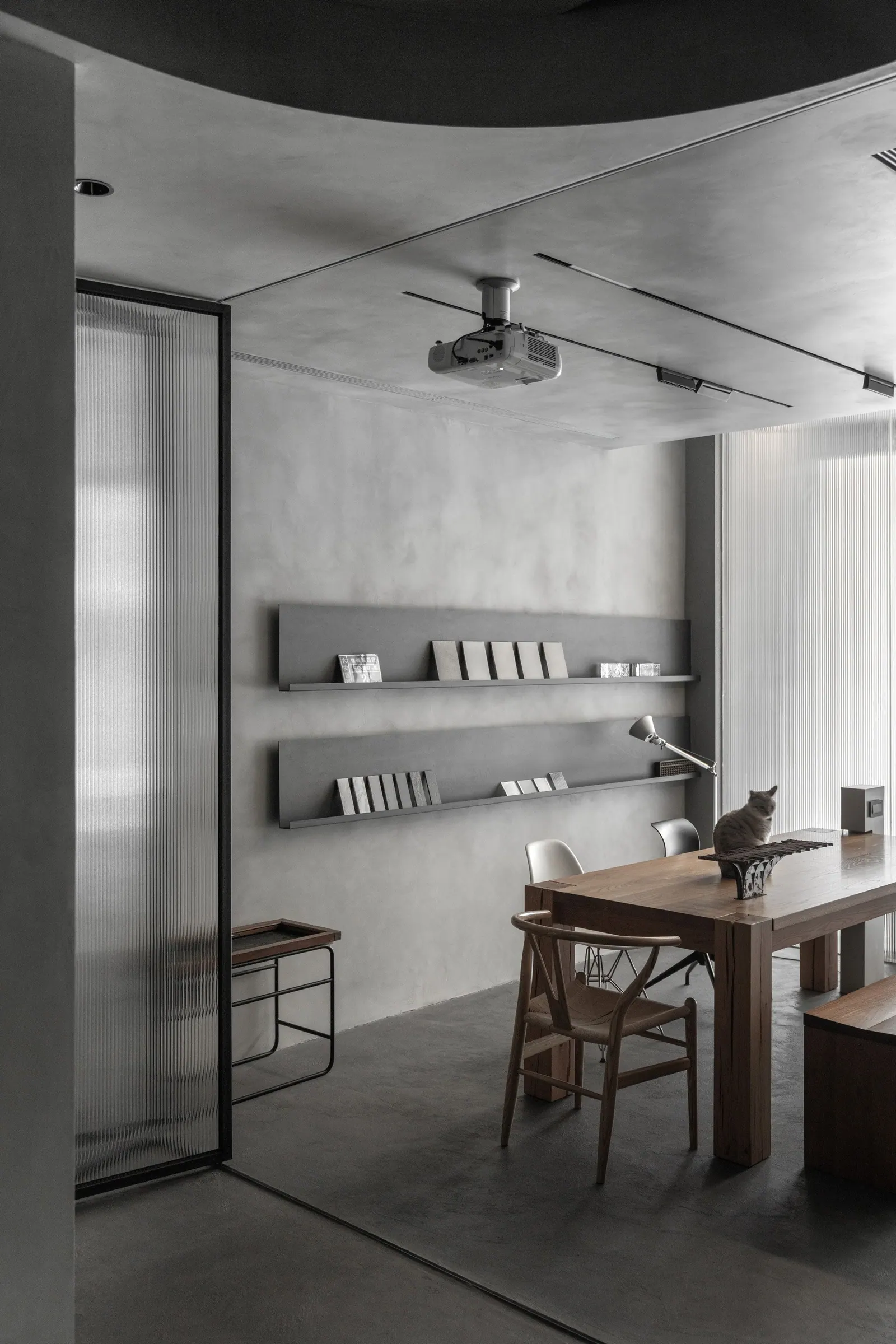
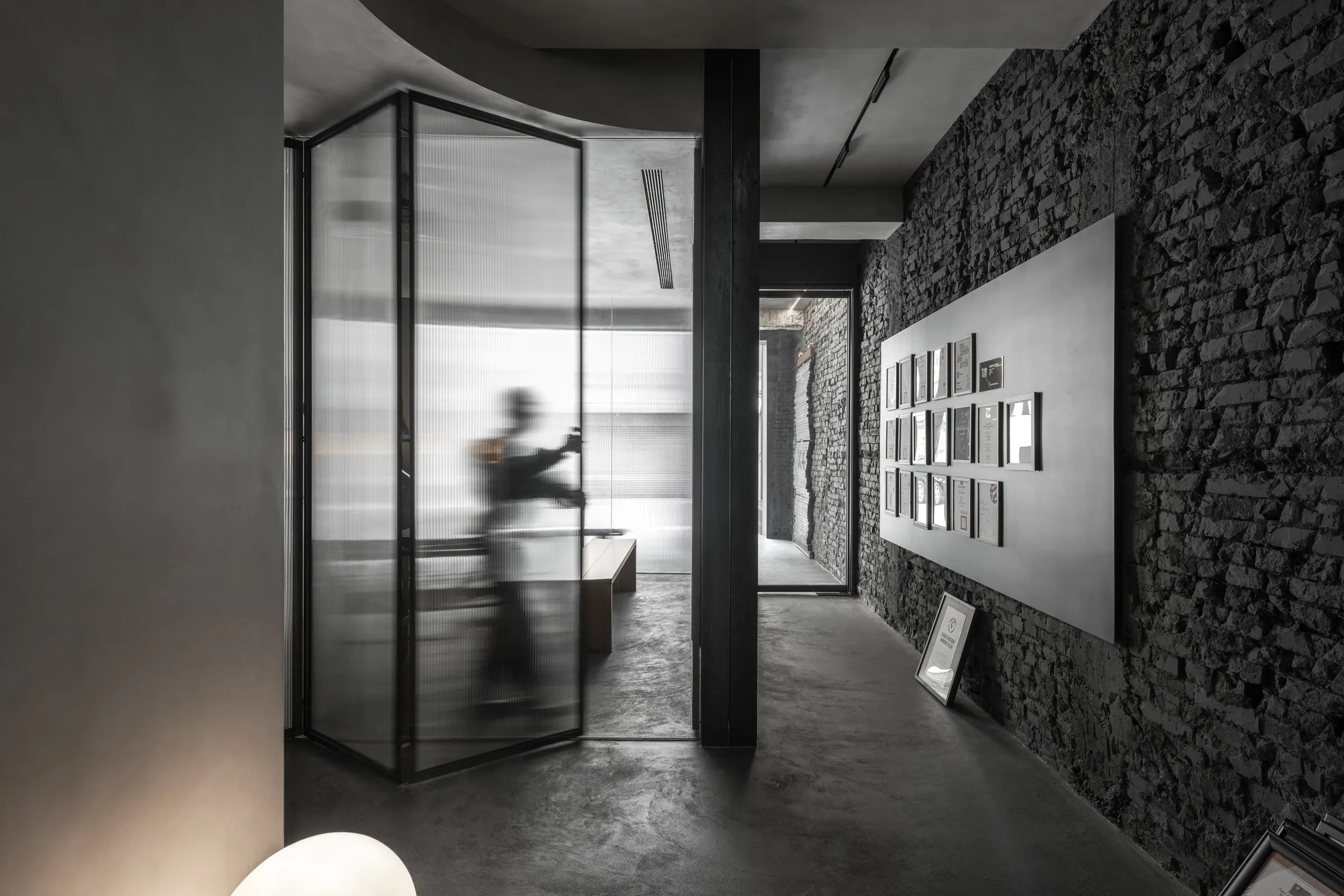
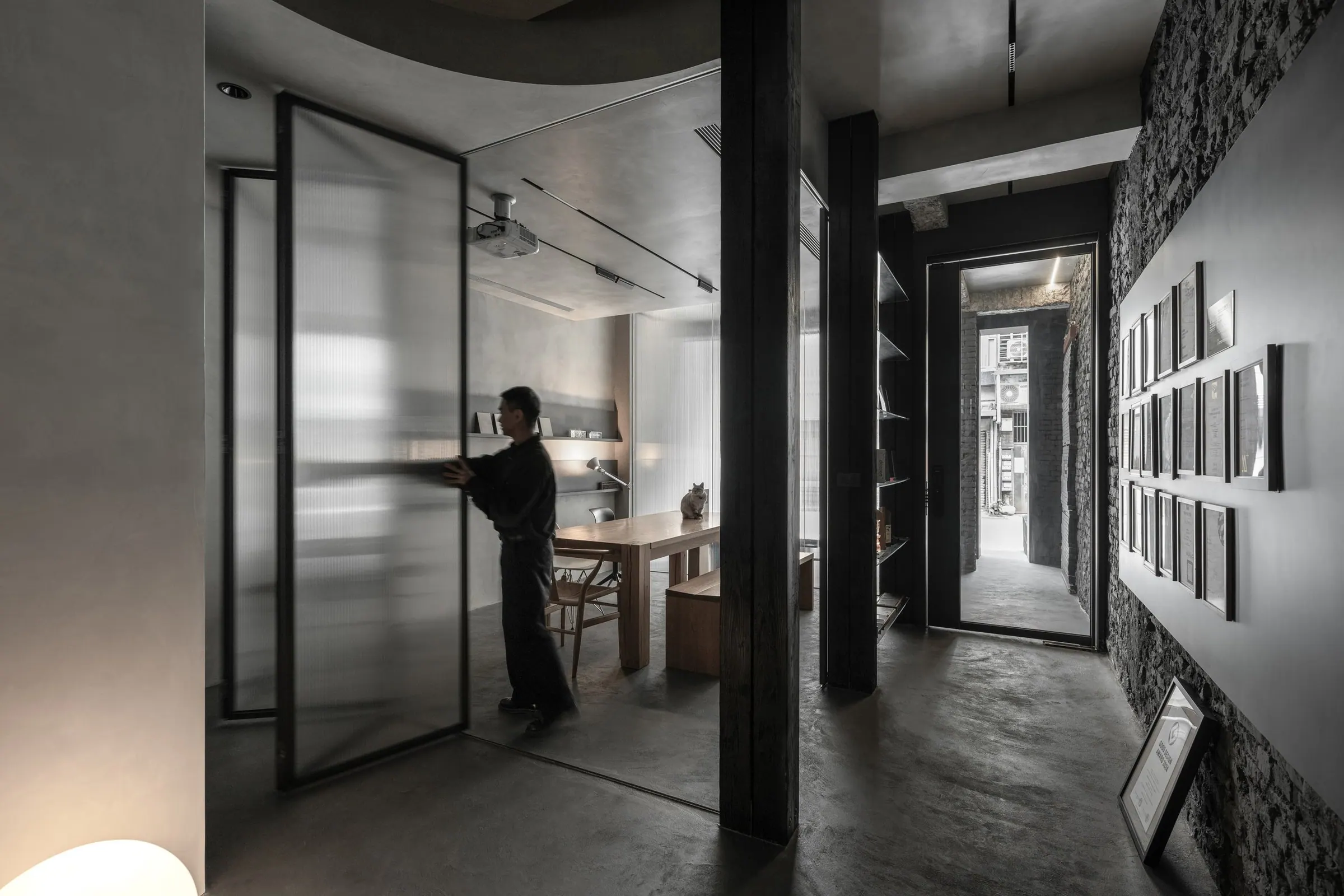
Inside, full-length charred cedar trunks serve as both vertical structural elements and spatial dividers. Paired with a flexible partition system, the space can shift between openness and privacy, maintaining natural ventilation and daylight while adapting to various modes of work.
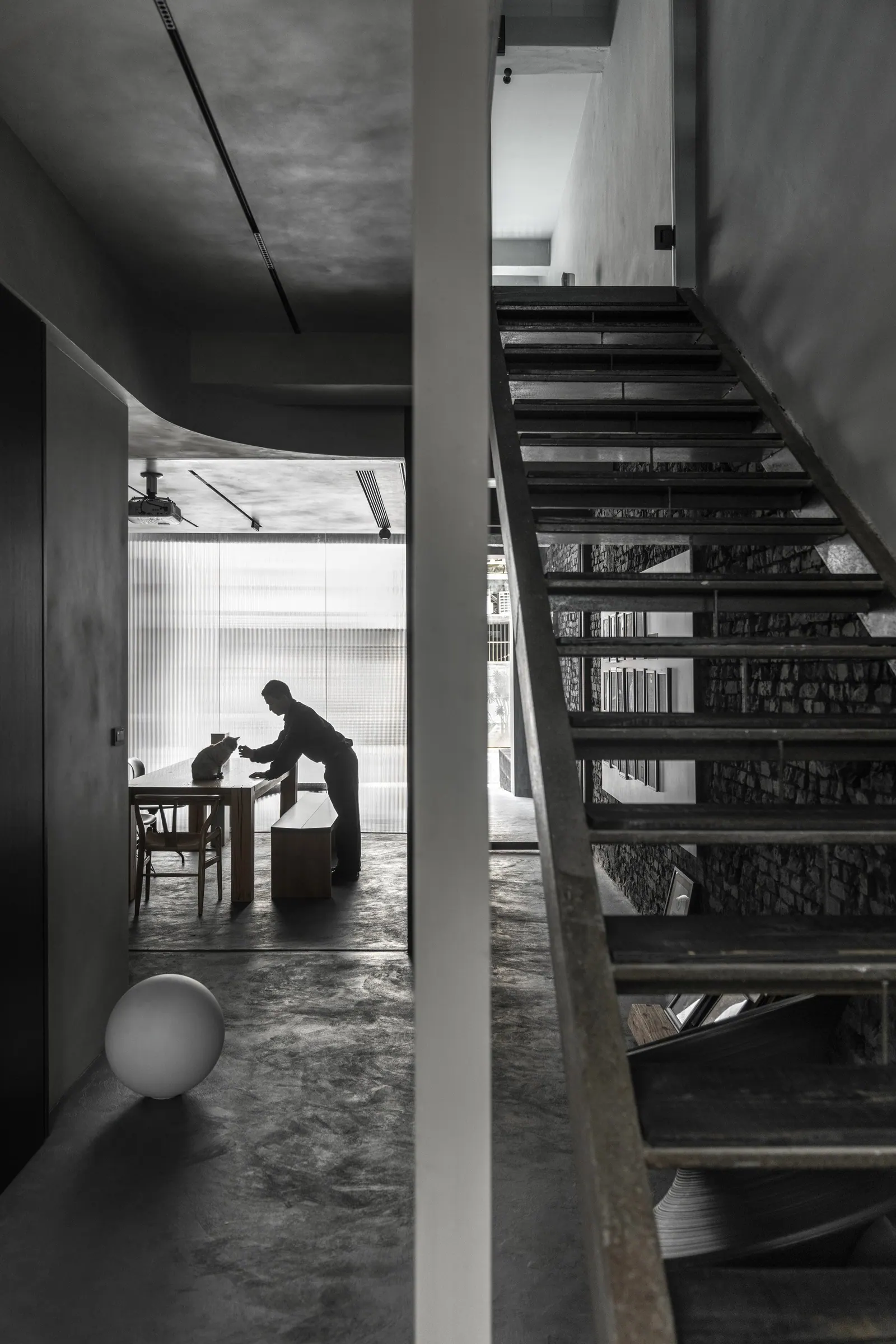
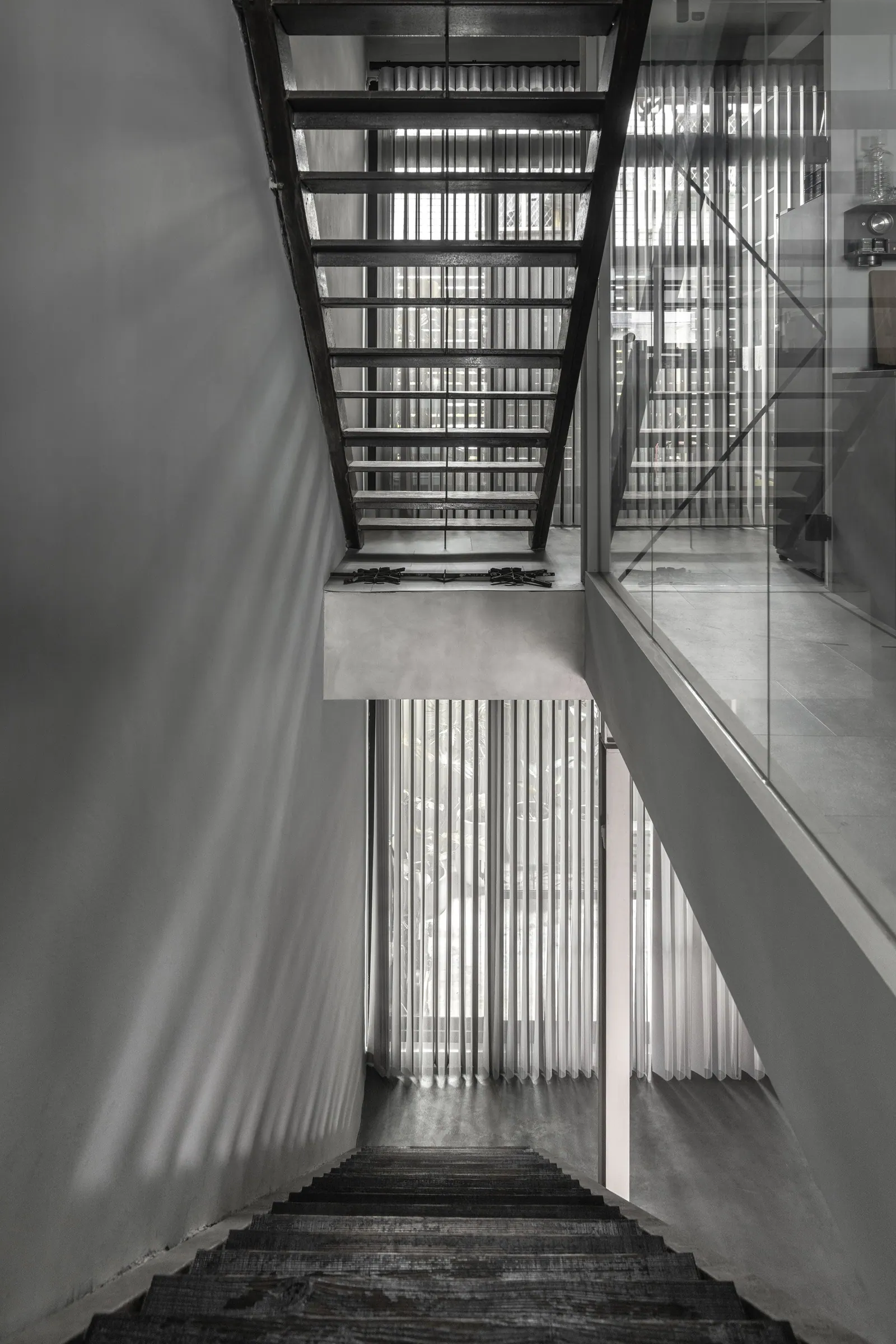
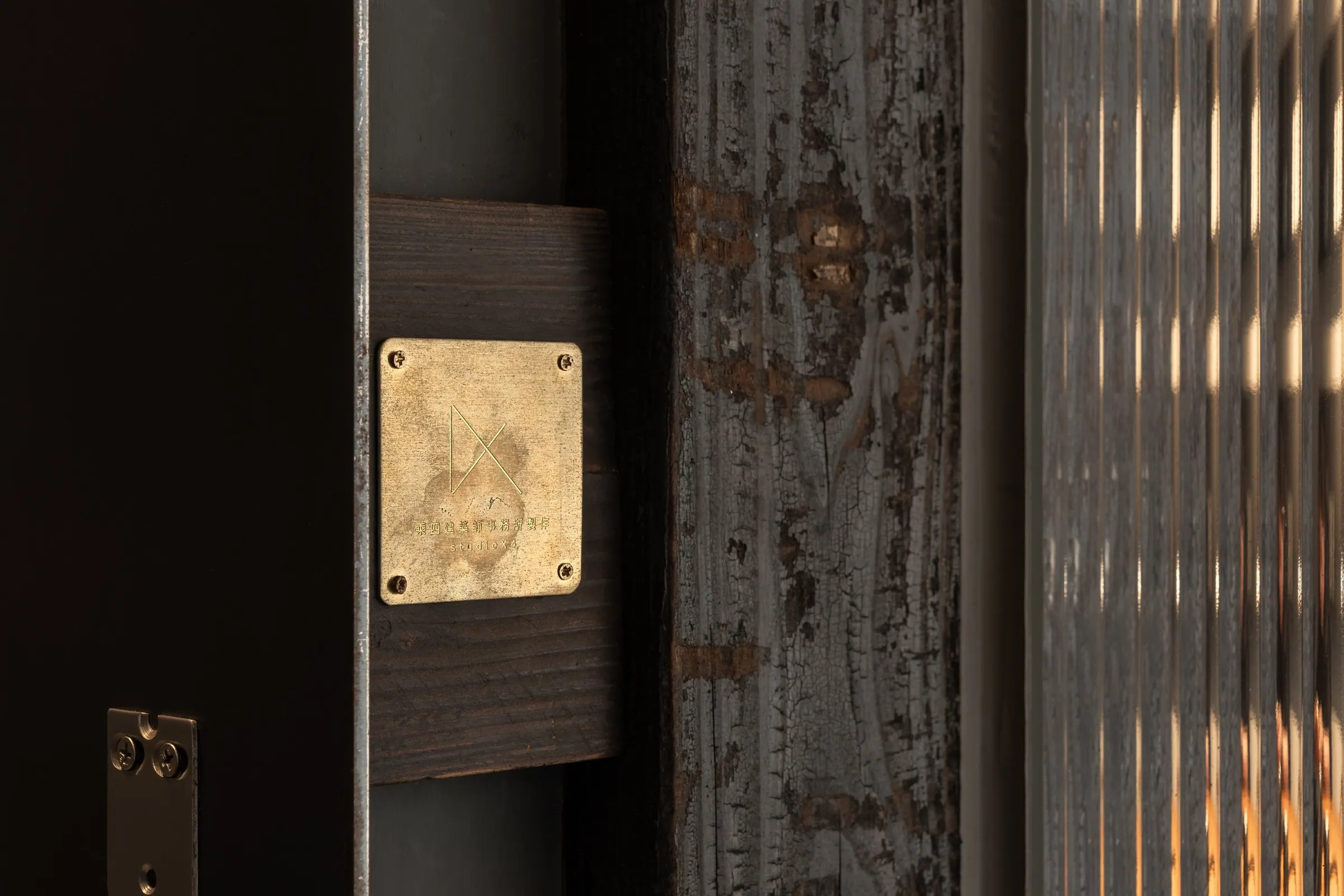
More than a minor renovation, this project serves as a testbed for micro-scale urban regeneration. Through architecture, we sought to open a dialogue with the neighborhood, crafting an everyday scene where the building engages warmly with its context—reflecting our ongoing commitment to participating in and responding to the life of the contemporary city.